“`html
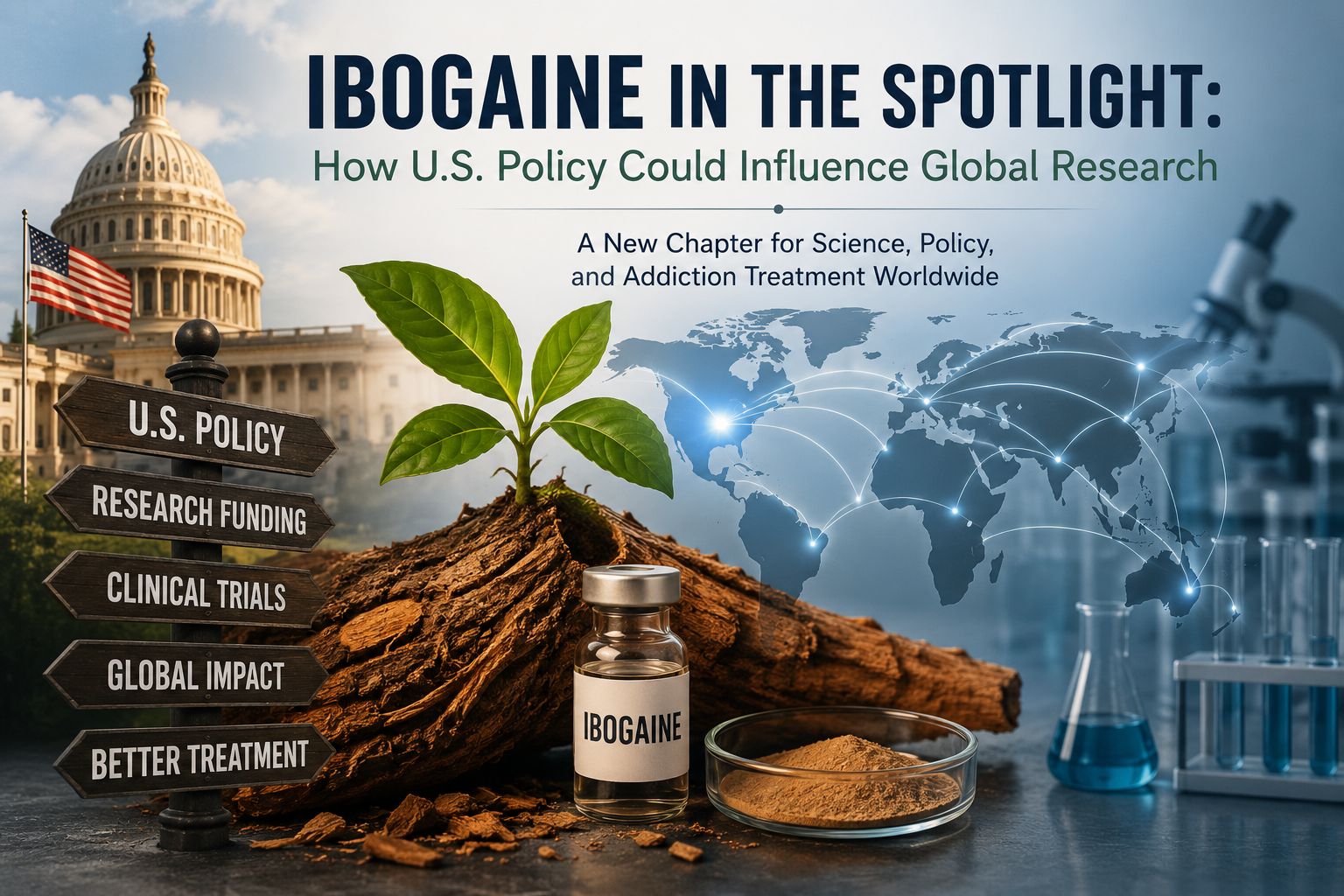
Ibogaine in the Spotlight: How U.S. Policy Could Influence Global Research
Ibogaine used to be one of those words you only heard in hushed circles — underground clinics, addiction forums, the occasional documentary nobody talked about at dinner. Not anymore. Lawmakers in the U.S. are now paying real attention to it, and that shift is doing something interesting: it’s pulling ibogaine research out of the shadows in other countries too.
So What Is Ibogaine, Exactly?
This potent alkaloid comes from the root bark of the ibogaine shrub, a shrub endemic to Central Africa. The ibogaine plant has been employed historically in ancient rites for spiritual and healing reasons. Western researchers stumbled onto it in the 1960s and noticed something strange. A single dose seemed to blunt opioid withdrawal almost immediately. Not gradually, almost overnight.
That’s a big claim, and it’s the reason ibogaine has stuck around in scientific conversation for sixty-plus years despite never really breaking into the mainstream. Most addiction treatments require daily dosing, sometimes for life. Ibogaine advocates describe it more as a “one and done” intervention. Whether it actually holds up to that reputation under controlled testing is still an open question, honestly. But the possibility alone has kept researchers curious even as the legal landscape made studying it a headache.
Where U.S. Policy Stands Right Now
Federally, ibogaine sits in Schedule I — the same category as substances the government says have no accepted medical use. That classification alone has scared off a lot of would-be researchers. Funding is hard to come by, university ethics boards get nervous, and most serious ibogaine treatment happens outside the country, in places like Mexico or New Zealand where the rules are looser.
But cracks are showing. Texas, of all places, allocated public money toward ibogaine research aimed at veterans dealing with PTSD and opioid dependence. That’s not a small thing coming from a state not exactly known for progressive drug policy. A few other states have folded ibogaine into broader psychedelic-therapy bills alongside psilocybin and MDMA. None of this adds up to legalization, not even close. But it’s a real shift from where things stood even five years ago.
Why Does This Matter Outside the U.S.?
Because American drug policy rarely stays contained within American borders. When the FDA warms up to a compound, other countries’ regulators tend to notice. Grant money tied to U.S. federal agencies carries a kind of weight that private or overseas funding just doesn’t have — it lends credibility, and studies backed by American institutions get cited more often and trusted more readily by regulators elsewhere.
There’s a symbolic piece to this too. Plenty of countries have been cautious about anything in the psychedelic-adjacent category, largely because the U.S. has historically taken such a hard line on drugs. If Washington starts treating ibogaine as something worth studying rather than something to fear, that gives other governments political cover to loosen their own restrictions. It’s a domino effect, more or less.
The Risk Nobody Should Gloss Over
Here’s where things get complicated. Ibogaine isn’t harmless. It’s been linked to serious cardiac issues, including heart rhythm problems that have caused deaths in rare but documented cases. That risk is a big part of why regulators have moved so slowly, and it’s why the clinics operating abroad usually screen for heart conditions before treating anyone.
Some people in the field will tell you the risks are manageable with proper cardiac monitoring and medical oversight. Others point out that unregulated clinics don’t always follow consistent dosing standards, and that’s led to preventable deaths already. Both things are true at once, which is exactly the problem. Right now there’s no unified protocol, and patients are left navigating a gray market because the legitimate medical system hasn’t caught up.
This is really where U.S. policy could shift the whole picture. Structured, FDA-monitored trials would finally produce the safety data that’s currently missing — dosing thresholds, screening criteria, monitoring protocols. Data that clinics worldwide could actually rely on instead of guessing.
What Researchers Actually Want
Most scientists in this space aren’t asking for ibogaine to be legalized overnight. They mainly want a workable path to run trials without spending years fighting bureaucracy. Even a modest rescheduling would make it easier to get institutional approval and pull in academic partners who currently won’t touch Schedule I research with a ten-foot pole.
Psilocybin offers a decent comparison here. It went from taboo to FDA breakthrough-therapy status in a relatively short window, and that opened doors for research funding and public acceptance that didn’t exist before. If ibogaine follows anything close to that trajectory, it wouldn’t just help American patients — it would hand international researchers a stronger evidence base to build on, instead of everyone duplicating the same preliminary work in isolation.
Where This Leaves Us
Nobody’s predicting ibogaine will become standard addiction medicine next year. Regulators are still cautious, and honestly, they should be, given the safety questions still on the table. But the conversation has moved. What was once dismissed outright is now getting funded in pockets and debated in state legislatures, which is more than could be said a decade ago.
For patients who’ve run out of options with conventional treatment, that shift means something real. For researchers watching from outside the U.S., it matters too, since American policy decisions have a way of setting the tone for what gets studied elsewhere. Whether ibogaine eventually becomes a legitimate treatment option or stays stuck in regulatory limbo is still up in the air. But the direction of travel, at least for now, seems to be pointing forward.